
Every restaurant should have an optimised cleaning checklist that includes key contact points - the areas most frequently touched by staff and customers. These can easily harbour bacteria if not cleaned and sanitised properly.
Where Do You Start?
Begin by ensuring both your kitchen and front of house undergo a comprehensive clean. Pay particular attention to high-touch areas such as door handles, light switches, equipment controls, fridge handles, and POS systems. Use high-quality cleaning products and follow manufacturer guidance on contact times to ensure sanitisers are as effective as possible.
By making hygiene a daily habit - not just a box to tick - you can protect your team, safeguard your customers, and uphold your restaurant’s reputation for excellence.
Key Contact Points: Front of House
Maintaining the cleanliness of key contact points is essential. Often forgotten, these are key contact spots which are frequently touched, but not always frequently cleaned, and can harbour significant levels of bacteria and viruses.
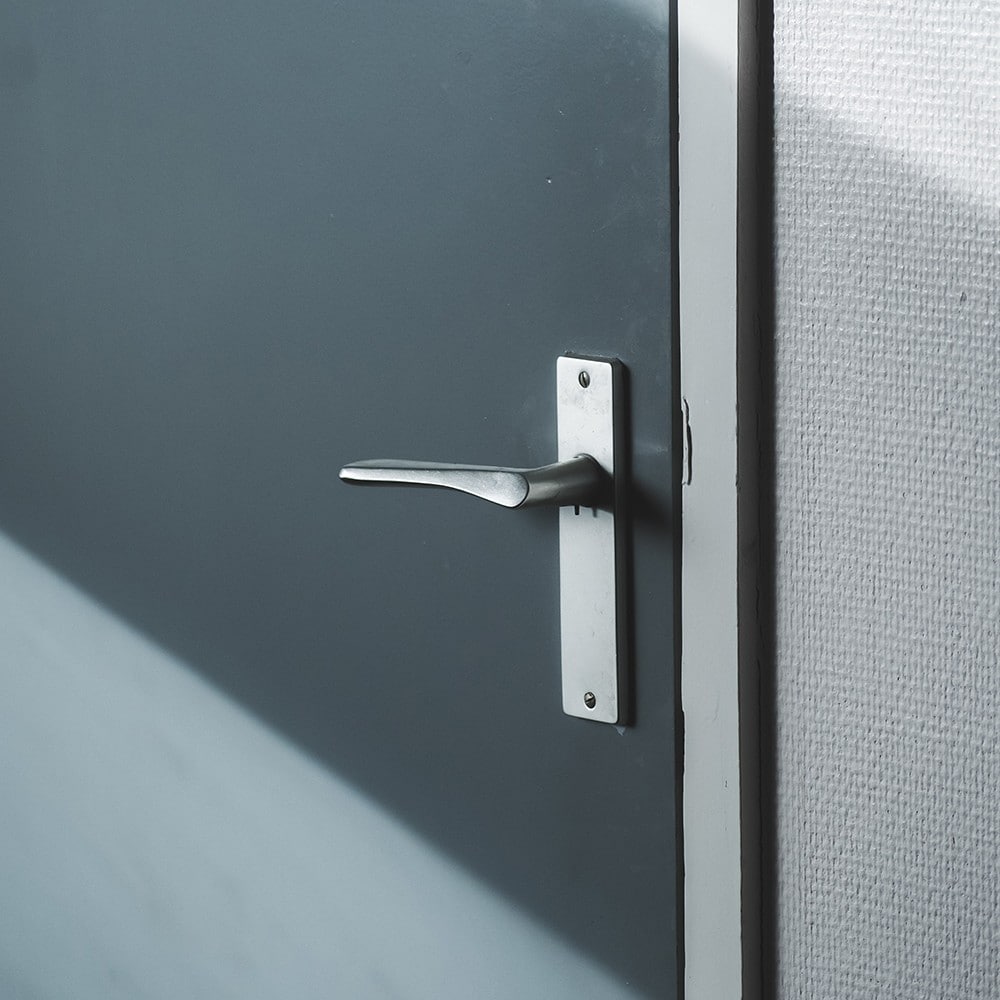
All Handles
From the front door through to the bathrooms, ensure that these key contact points are cleaned every 20 minutes. Of course your bathroom cleaning schedule should be considered in addition – and add soap pumps to the list as well.
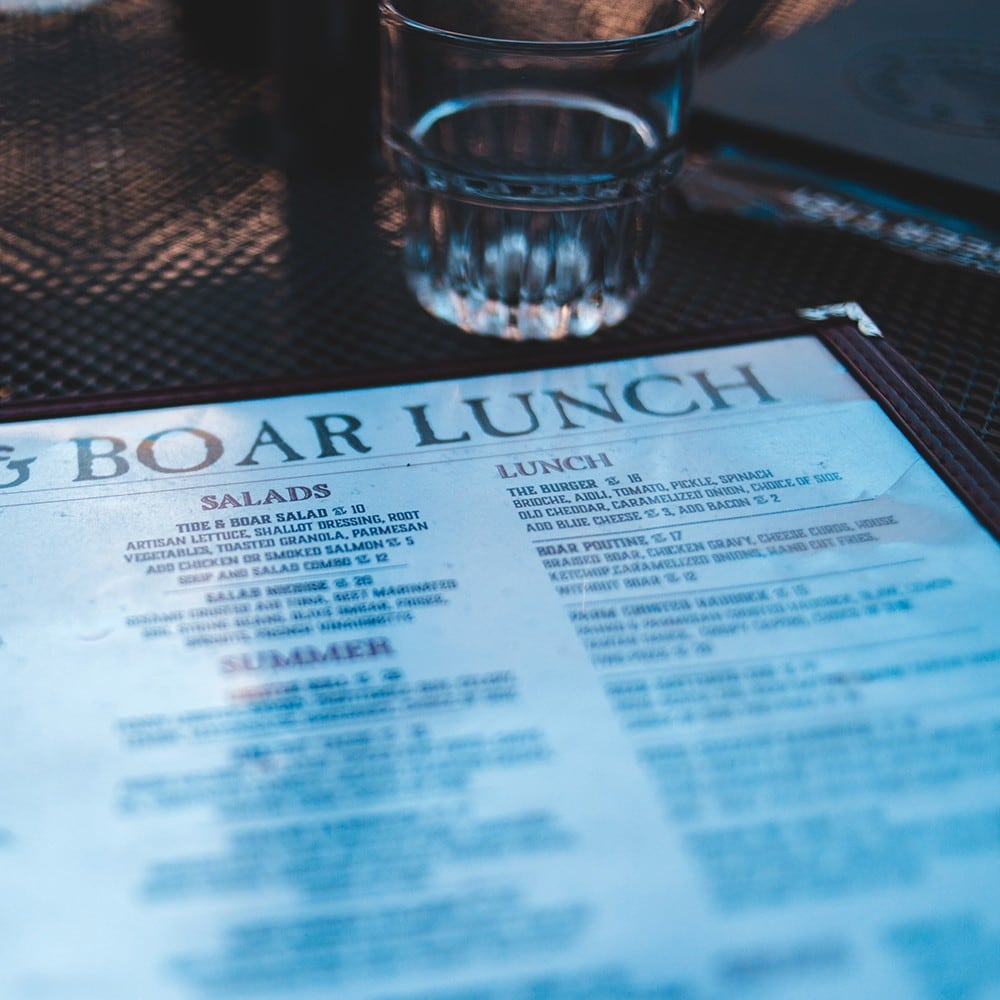
Menus
Laminated printed menus can be cleaned quite easily – ensure they are wiped between customers. If you are using a simple printed paper menu then consider disposing of the menus after each use. Alternatively place them in menu covers, being sure to clean after each customer has finished with them.
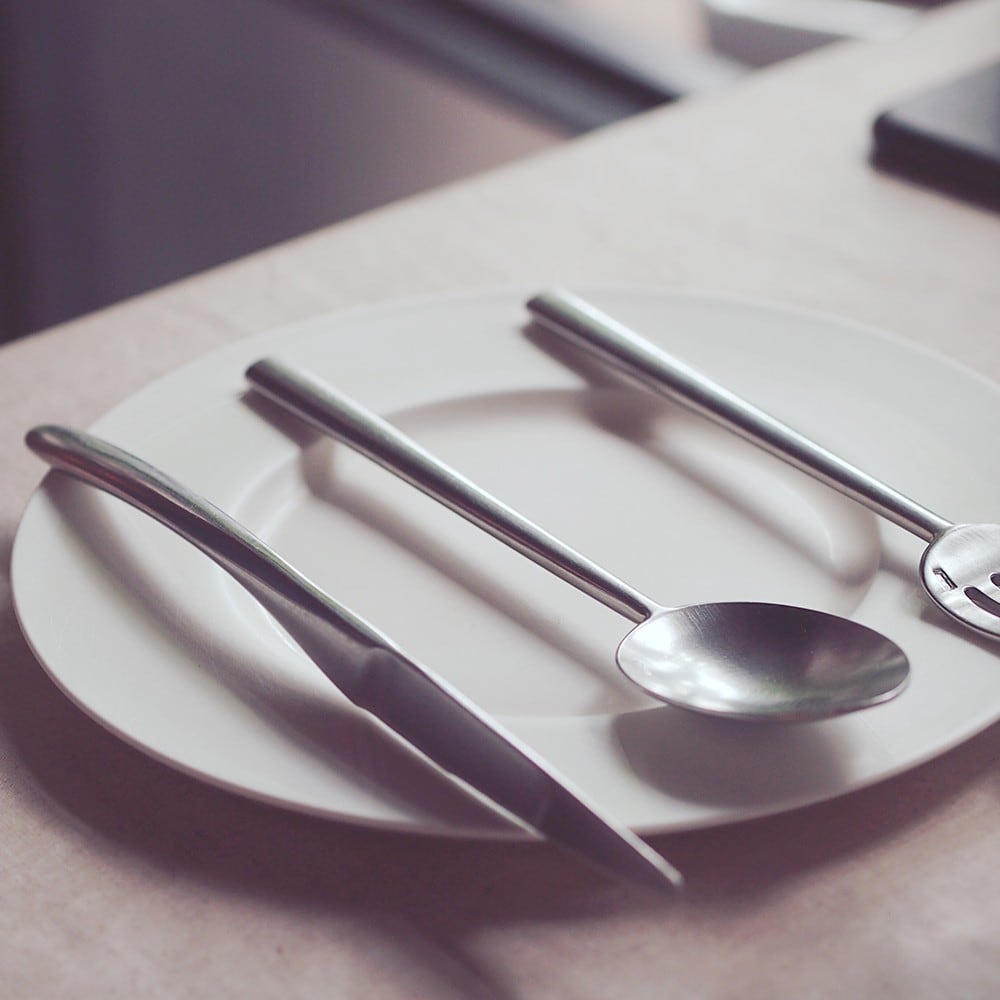
Cutlery
Consider not laying tables until the customer is seated and has ordered. For added reassurance, use a clean cloth to clean the cutlery and lay it directly in front of the customer so they can see that it’s freshly sanitised.
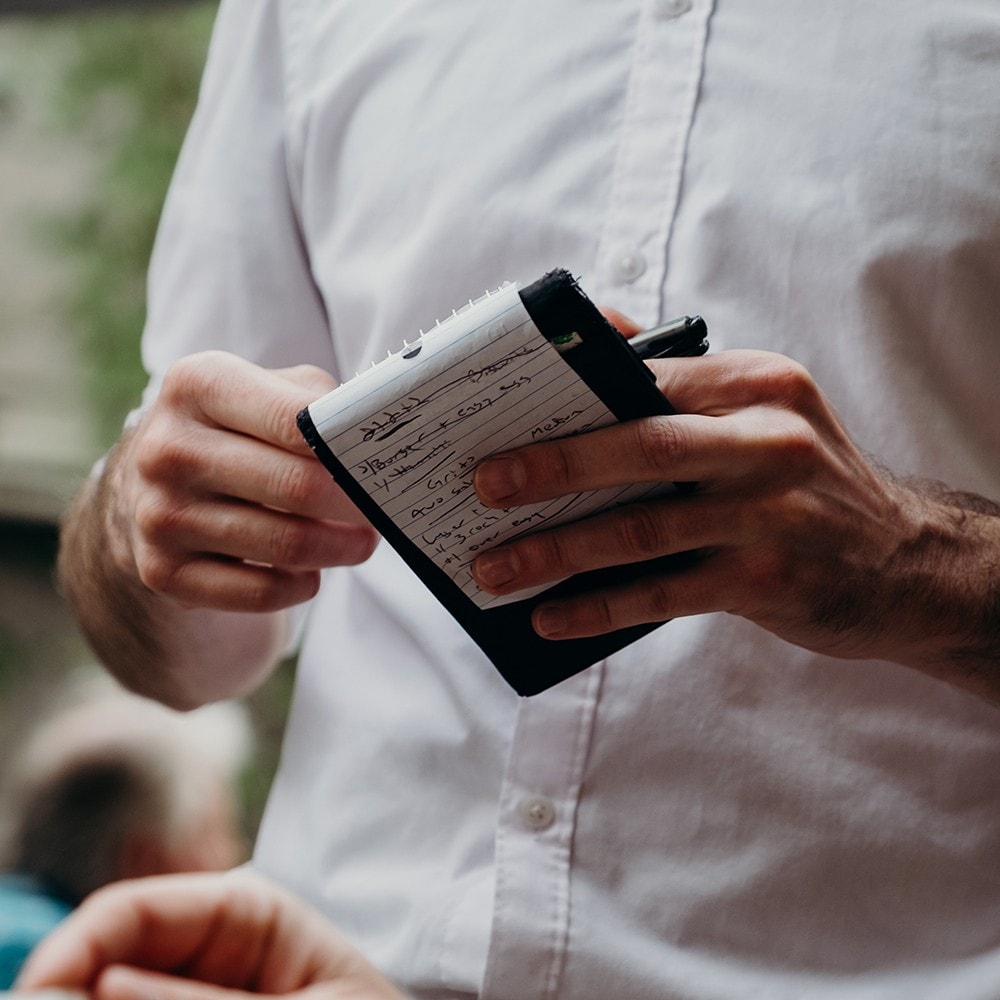
Taking Orders
If your waiting staff use a traditional notepad, then make sure you give them each a specific pen to use to prevent sharing. If you’re using an electronic ordering system then clean the consoles between each order.
Cash & Cards
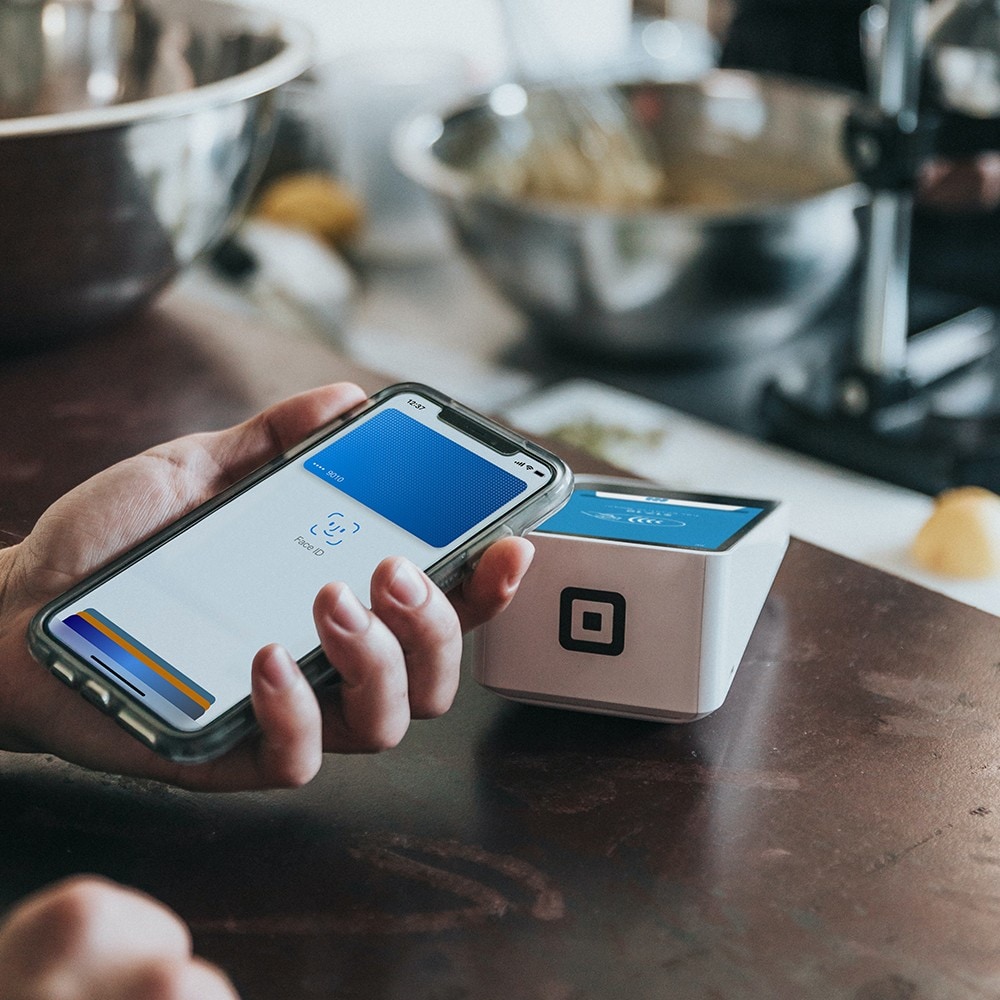
Cash and card machines also need to be considered. Make sure the card machines are cleaned between users and discourage cash payments where possible. If customers are paying with cash, then make sure all staff clean their hands after handling it.
Key Contact Points: Back of House
When it comes to running a commercial kitchen, hygiene should be a top priority. Food business operators must of course follow existing food safety guidance and HACCP procedures, but consider paying extra attention to the key contact points back of house.
The Dishwasher & Other Handles
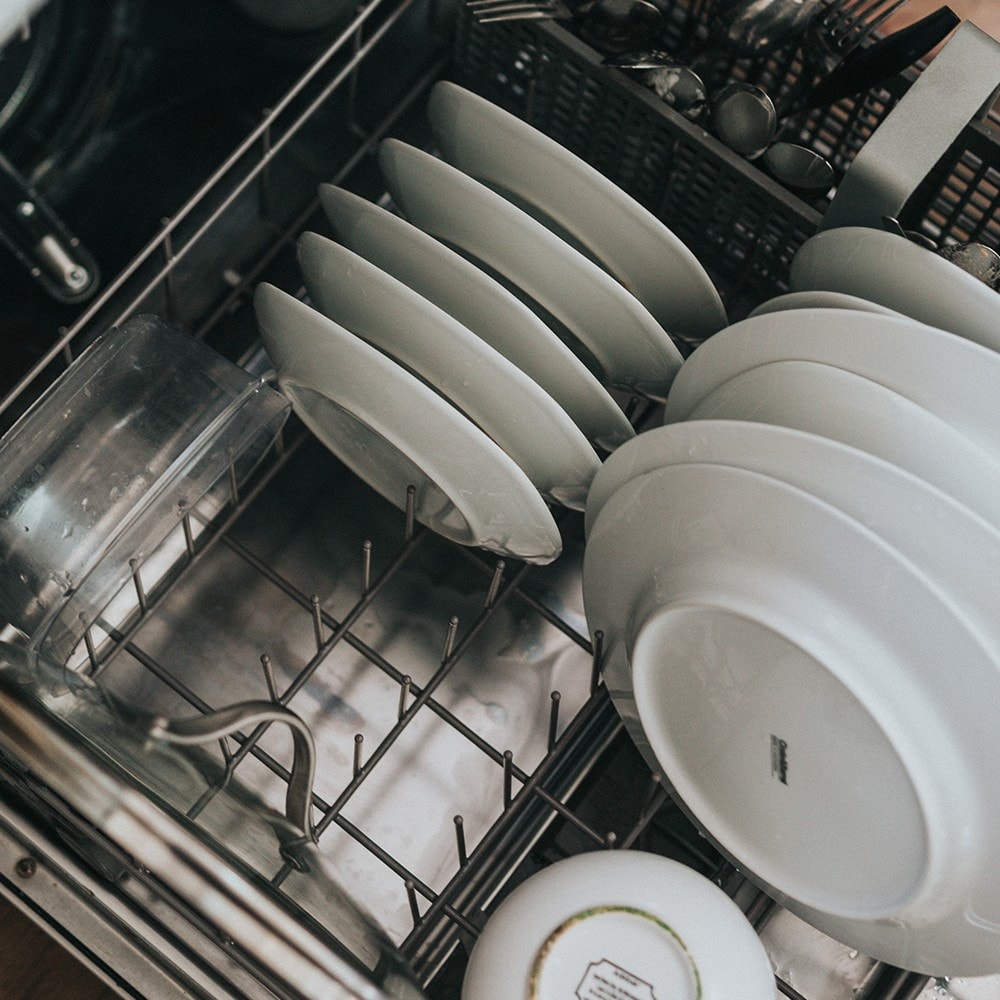
The likelihood is that, as a consequence of social distancing measures and reduced footfall, you will have fewer staff in your kitchen. This means that roles might be blurred as team members chip in to help one another and could result in the dishwasher and other handles being touched by more people, more frequently. Consider increasing the frequency of sanitising.

Lockers & Personal Items
As staff enter your restaurant from the outside, ensure their lockers and other personal effects are sanitised on entry. Mobile phones, for instance, are notorious for harbouring bacteria and germs.
For further support, take a look at the government’s Safer Food Better Business check list on cleanliness.
Temperature Probes & Shared Utensils
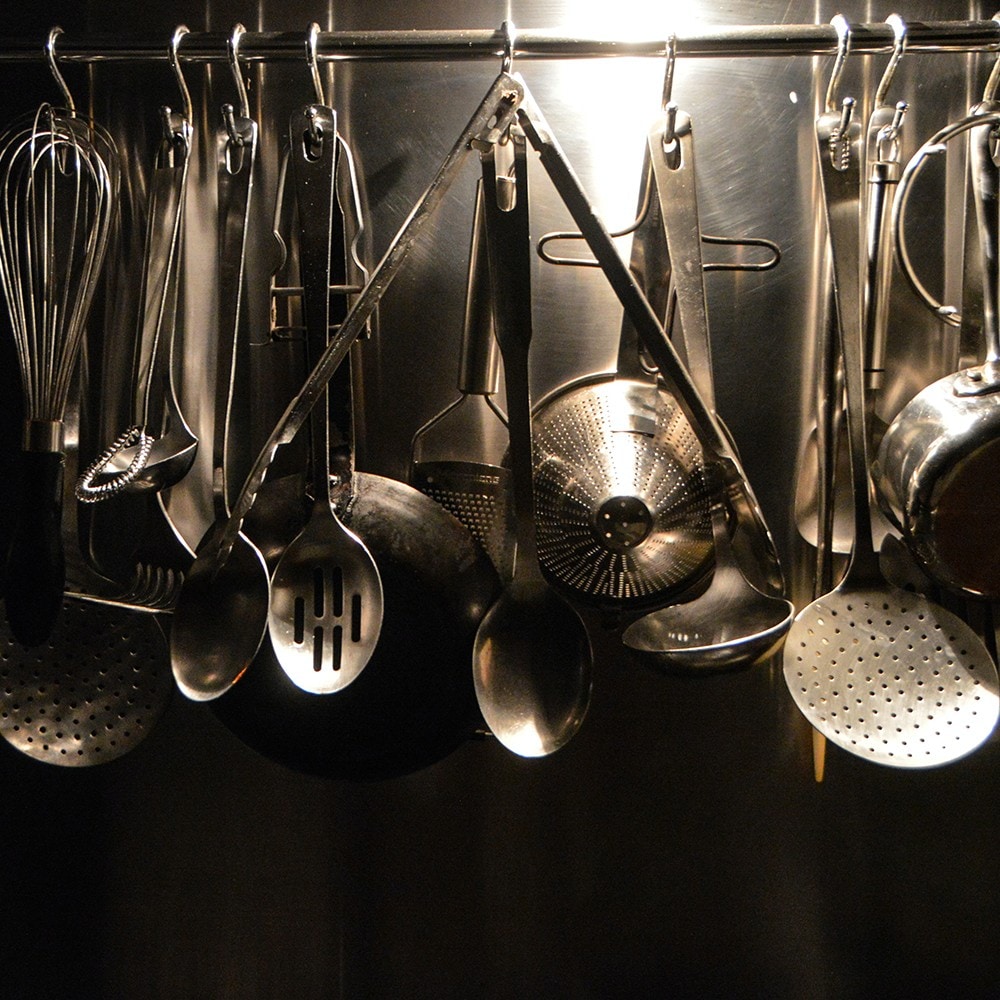
Like dishwashers and other handles, items that are frequently touched and shared in the kitchen should be sanitised regularly. Encourage your chef teams to have separate utensils for service.
Tea Towels
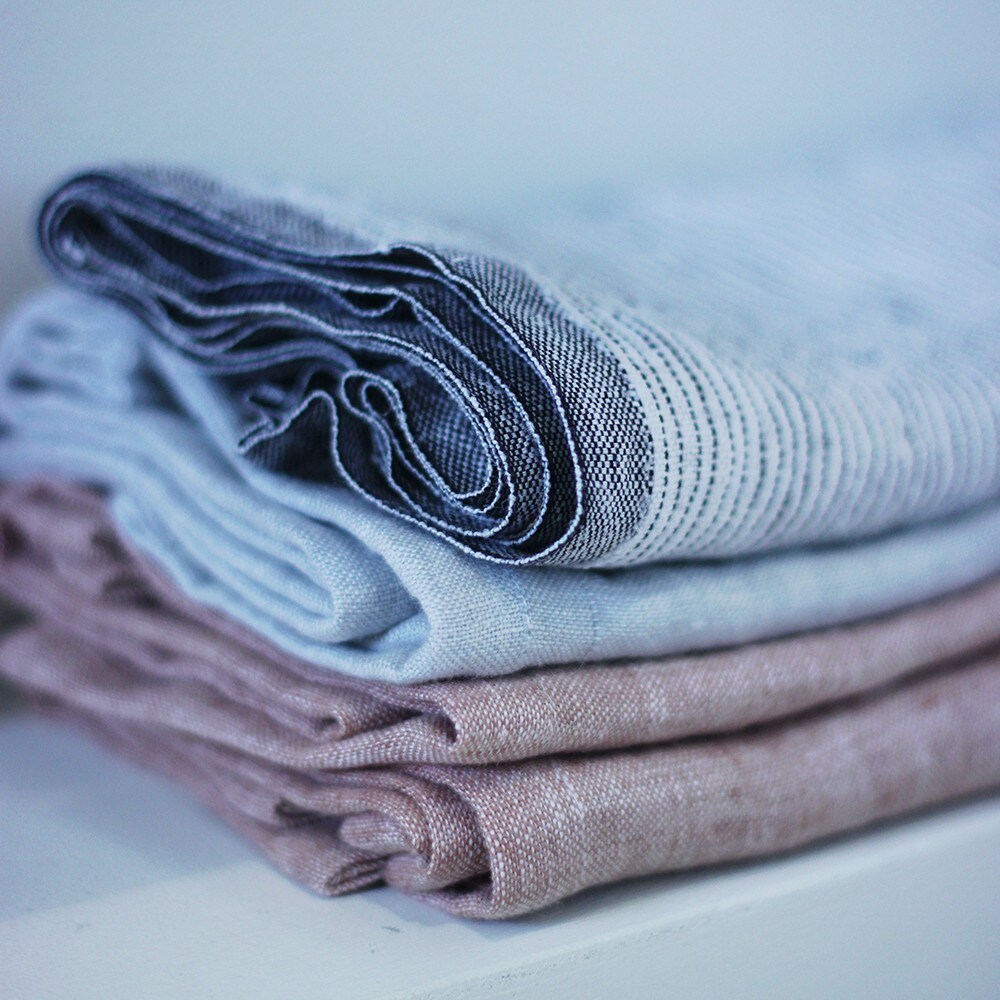
Continually refresh your tea towels to avoid them transferring bacteria between surfaces. Ensure they are washed at 60°C using antibacterial detergent.