
Creating a positive kitchen environment
Written by Anna Cafolla
Despite what shows like The Bear or shouty reality TV chefs may suggest, the modern kitchen is no longer defined by intimidation, drama, or relentless hours. Today’s chefs pride themselves on building successful teams and creating exceptional food - dishes that come from a kitchen built on respect, collaboration, and work-life balance.
Creating a positive kitchen environment goes beyond smooth service. A strong team thrives when they feel ownership, clarity, and trust. Four top chefs explain the key principles that foster a harmonious and productive kitchen.
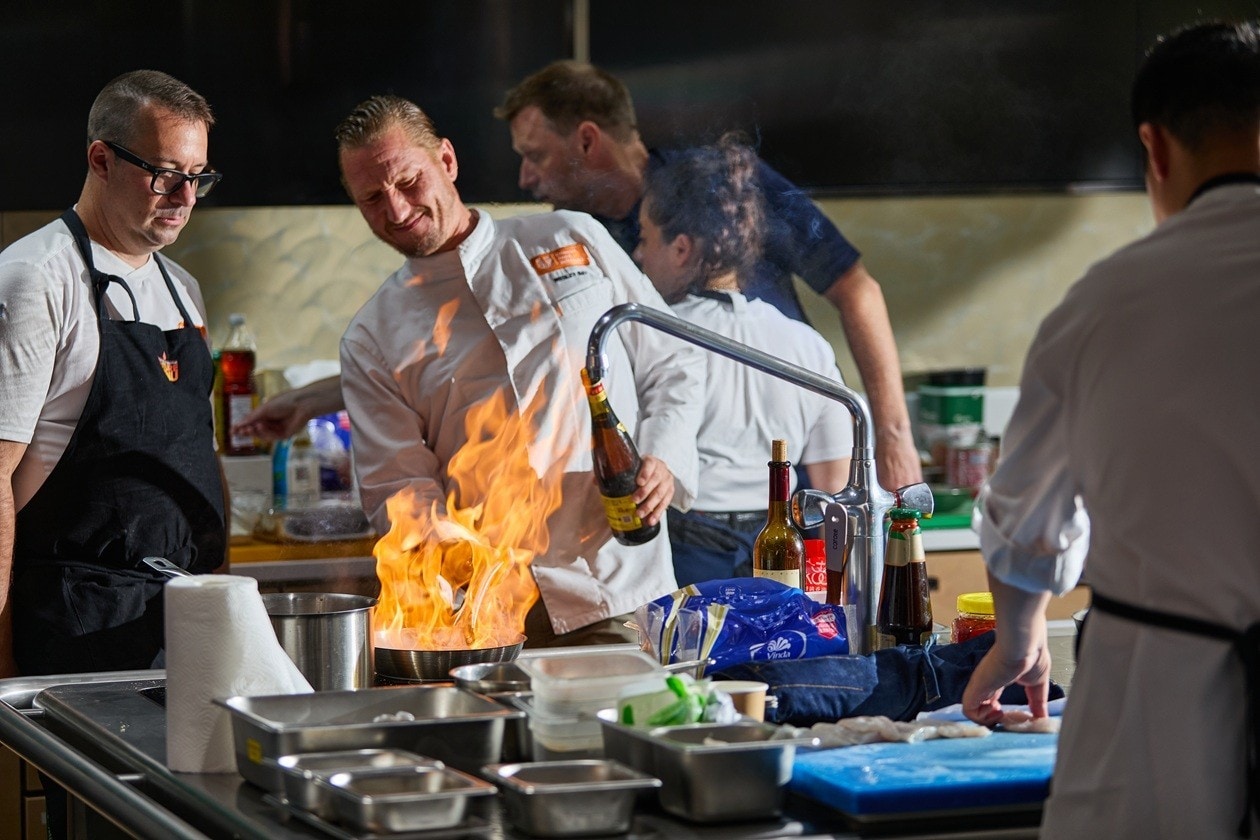
1. Give your team a voice
Chef Brandon Collins believes everyone deserves to be heard. “It’s not necessarily a democracy in the kitchen, but give them the freedom to take ownership and buy into your vision,” he says. Encouraging staff to share ideas—on menus, stations, or daily operations—builds pride and shared responsibility. This not only motivates the team but also lightens the pressure on leadership.
2. Lead with respect in a positive kitchen
A calm, respectful kitchen is a more effective workplace. For decades, the industry treated people like numbers—just another person to peel potatoes or prepare vegetables. Chef James Brown recalls how, early in his career, aggressive communication was the norm: “If you put a foot wrong, you were told in a harsh way.” Today, the culture is more mature. Clear communication and constructive feedback build trust, helping teams support each other and stay focused under pressure.
3. Set clear goals
Be open about what success looks like—whether it’s consistency or career progression for your team. “You’ve got to be really clear about what the end goal is and how we want to get there,” says James Brown. Outlining expectations, standards, and growth opportunities removes uncertainty and strengthens professionalism across the brigade.
4. Keep the kitchen flowing
Chef Thais Gimenez compares a kitchen to a well‑choreographed performance where every role has purpose. “The kitchen flows beautifully when it’s organized, like a ballet, and everyone knows their tasks.” Prep lists, clear responsibilities, and constant communication help maintain efficiency and positivity.
5. Promote work-life balance
Respect should extend to every member of the team, regardless of rank. Chef René‑Noel Schiemer emphasizes the importance of equal treatment and reasonable hours: “We keep time, and don’t work 10 or 15 hours in the kitchen. We work nine hours together and then go home, keeping a balance for families.”
Simplifying processes can also help. René‑Noel suggests using basic sauce bases and pre-prepared components to save time and allow chefs to focus on quality where it matters most. This approach keeps the kitchen efficient, organized, and ultimately positive.
Whether you want to grow individually or lead your team toward a more positive kitchen culture, Positive Kitchens is here to support you.
Start transforming your kitchen today with our free training! The Positive Shift is a bite-sized learning series designed for all chefs and hospitality professionals, who want to contribute to a positive kitchen culture. Start your free training now!


