
Follow allergen legislation
According to Regulation (EU) No. 828/2014, a product may be labelled “gluten free” only if it contains no more than 20 mg of gluten per kilogram of the product as sold. Cereals that naturally contain gluten include wheat (including varieties such as spelt and Khorasan wheat or “Kamut”), rye, barley, and oats.
This means that, by design, the recipe does not contain any of the 14 major allergens listed in the Allergen Information section.
Food allergens and food intolerances carry too much risk so correct food labelling is vital. With our tips you can make sure you follow allergen legislation and provide your guests with all information needed.
-
Allergen Information
The Food Information for Consumer Regulation [EU 1169/2011] that came into effect December 2014, lists that the following 14 allergens which must be labelled on products, or information provided, when used as ingredients:Important: Caterers are expected to know the type of nuts and cereals containing gluten if asked by the customer. All allergen and ingredient content is clearly broken down on the label, so please always check the label.- Cereals containing gluten
- Celery
- Crustaceans
- Eggs
- Fish
- Lupin
- Milk
- Molluscs
- Mustard
- Nuts
- Peanuts
- Sesame
- Soya
- Sulphur dioxide
- Assign a food allergen expert for each shift who can answer questions on the 14 food allergens in the food and drinks you serve.
- Have alternative meal suggestion for those with allergies or intolerances, for example a gluten free option.
- Ensure allergens are listed on the menu or the following signpost on the menu is used, 'Food Allergies and Intolerance: Before you order your food and drinks please speak to a member of our staff’.
- Keep a record of all 14 food allergens in the food and drink you serve.
- Identify all allergens in cooking methods too, such as oils or dressings.
- Maintain good kitchen practices to avoid cross contamination while preparing and serving the food or drink.
- Stick to the agreed recipe.
- Keep information on food allergens on your website up to date.
- Ensure all staff are trained on allergen procedures and what to do in an emergency.
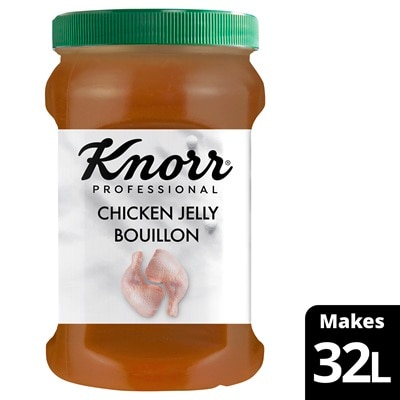



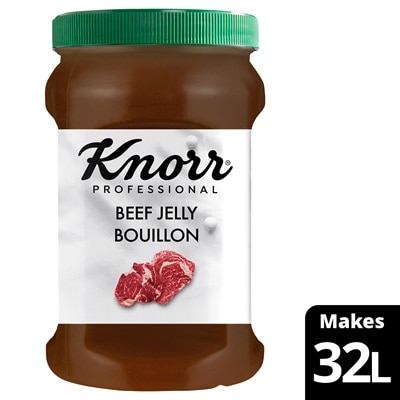
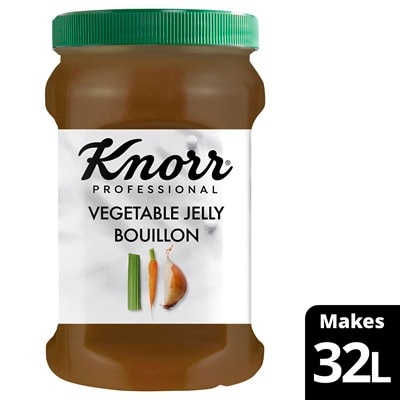
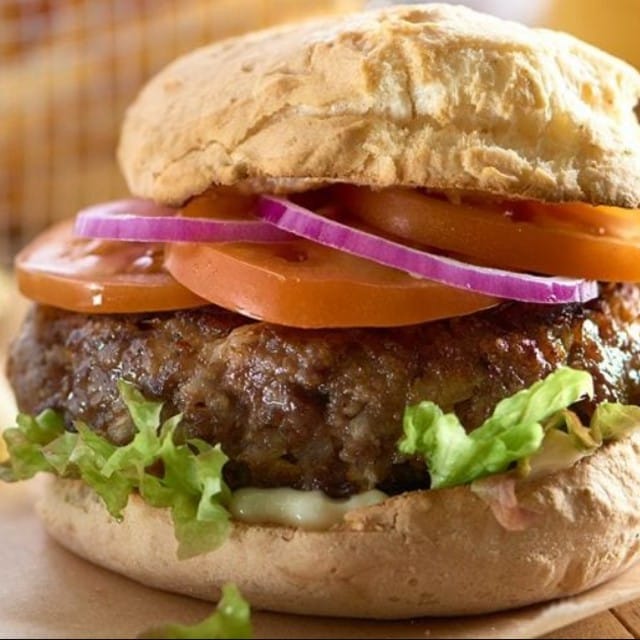
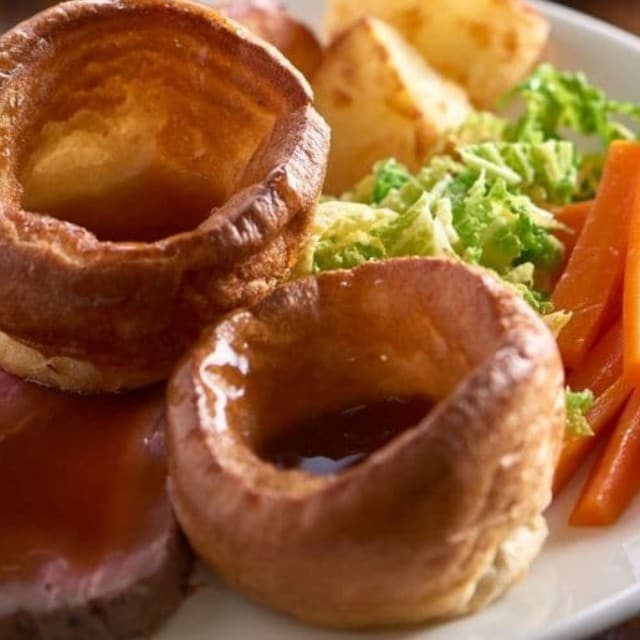
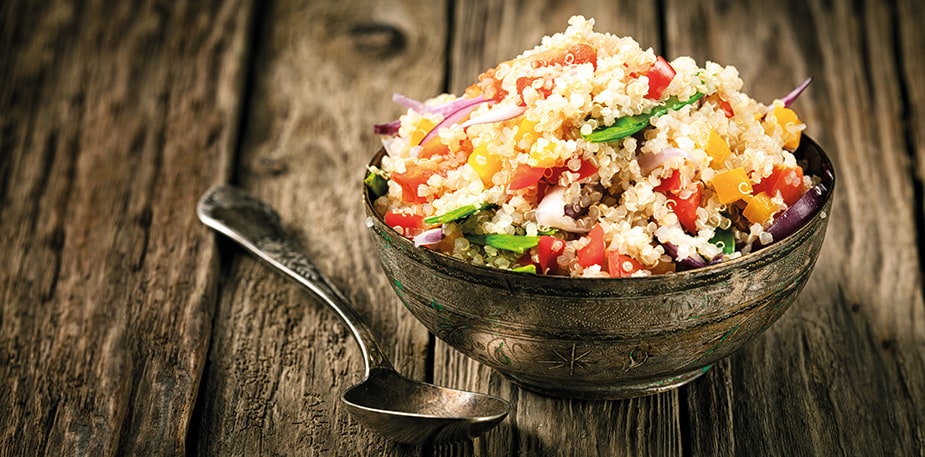
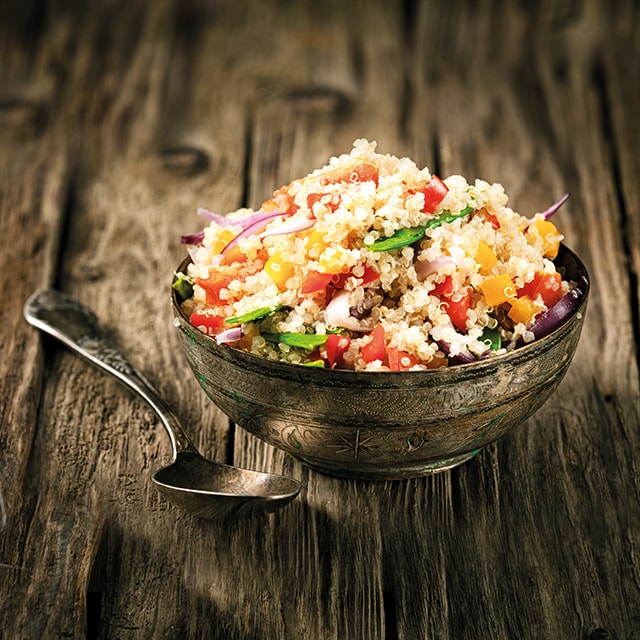
*These products do not contain allergenic ingredients which require declaration under EU regulation 1169/2011 (Annex II)


